Thinking about moving up in Westfield and wondering which neighborhoods truly fit your next chapter? You are not alone. With a competitive market and distinct North and South Side options, it pays to compare areas by schools, lot sizes, parks, and walkability. In this guide, you will get a clear, neighborhood‑by‑neighborhood look at Westfield so you can shortlist streets with confidence and plan your sale and purchase with less stress. Let’s dive in.
Westfield market snapshot for move‑up timing
Pricing and pace set the tone for your strategy. Redfin reported a median sale price near $1.34M in January 2026 and described Westfield as “most competitive.” Realtor.com’s late 2025 snapshot showed a median around $1.50M, while Zillow’s index placed typical value near $1.23M as of January 31, 2026. These figures vary because each vendor uses different methods, time frames, and samples.
Inventory remains tight, with median days on market in the low 20s and sale‑to‑list ratios above 100% in recent reporting. For move‑up buyers who need to sell as well as buy, that usually means preparing financing and timing options before you write an offer. Also remember, neighborhood medians can diverge a lot from the townwide numbers.
Quick tips:
- Anchor your budget to a single data source for consistency, then cross‑check ranges using others.
- Ask for block‑level comps in your target streets, not just town medians.
- If you must sell first, plan for options like rent‑backs or bridge solutions early.
North Side vs South Side at a glance
How schools organize the map
Westfield’s public schools are structured around six neighborhood elementary schools, two intermediate schools divided by a North Side and South Side boundary, and a single high school. You can review an overview of the district structure on the Westfield Public Schools page on Wikipedia. For address‑level checks, use the district’s tools or an interactive attendance‑zone map, such as this elementary attendance map. Boundaries can change, so always confirm with the district before you rely on a specific assignment.
North Side character
On the North Side, you will find established neighborhoods like Wychwood Manor, The Gardens, Stoneleigh Park, and the Kimball Avenue Historic District. Expect classic turn‑of‑the‑century architecture, tree‑lined streets, and a mix of mid and upper‑tier price points. Many blocks offer walkability to downtown shops, the train, and beloved green spaces, including Mindowaskin Park. Downtown’s core, managed by the Downtown Westfield Corporation, sits mostly north of the station and adds dining and retail within an easy stroll of several North Side pockets.
South Side character
South Side streets include the Tamaques Park area as well as parts of the McKinley and Jefferson elementary catchments. You will see more mid‑century ranches and split levels alongside expanded or newly rebuilt Colonials. Some enclaves have larger setbacks and a more suburban feel. A major draw is Tamaques Park, a family hub that anchors youth sports and weekend routines.
Lot sizes, parks, and home styles
Parks you will use weekly
- Tamaques Park. Over 100 acres with sports fields, courts, walking paths, two playgrounds, and multiple picnic areas. For many families, being close to Tamaques Park is a lifestyle choice as much as a housing choice.
- Mindowaskin Park. An ornamental park near downtown, about 12.6 acres, with a pond, gazebo, and a playground. If you want quick access to a walkable green space near shops and dining, Mindowaskin Park is a strong plus.
Typical lot patterns
- Estate pockets. In enclaves like Indian Forest, and on select streets in Wychwood and Stoneleigh Park, you will find many lots in a larger range, often around 0.3 to 0.8 acres. These settings suit buyers who want space for a pool, additions, or privacy.
- In‑town blocks. Around downtown and train‑adjacent streets, lots tend to be more compact, commonly about 5,000 to 12,000 square feet. For buyers who want walkability and a shorter commute, a smaller yard is often a reasonable trade.
Use these as representative patterns rather than hard rules. Always check the parcel record or recent MLS data for a specific address.
Architecture you will see
- Downtown and historic pockets. Victorian, Colonial Revival, and Queen Anne homes are more common in and around the Kimball and Dudley corridors and older in‑town blocks. Many homes date from the late 1800s to early 1900s, often with preserved period details.
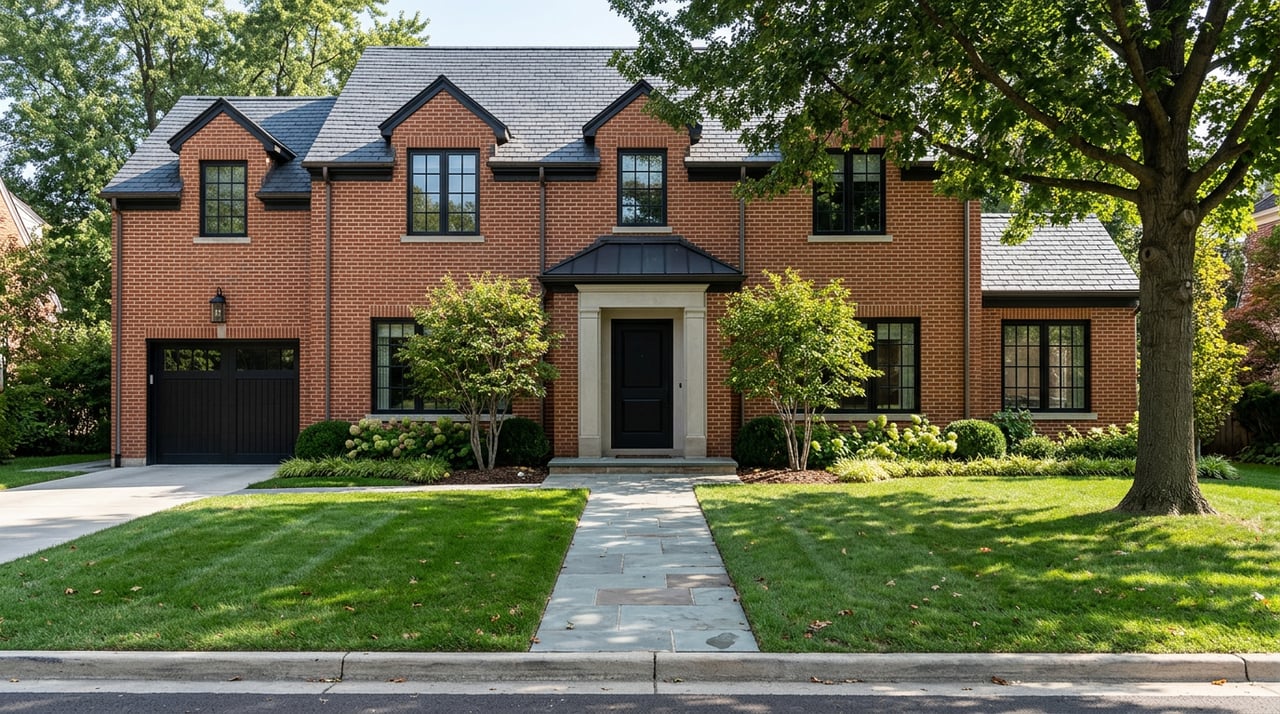
- Wychwood, Stoneleigh Park, The Gardens. Larger slate‑roofed Colonials, stately Tudors, and early 20th‑century homes in park‑like settings create a classic North Side aesthetic.
- South Side and mid‑century streets. Ranches and split levels from the 1950s and 1960s are common, and many have been remodeled or replaced by new construction over the last two decades.
Best‑fit neighborhoods by buyer goal
Need space for a pool or future expansion
If your priority is more bedrooms, a larger yard, or room to grow, start with Indian Forest, Wychwood, and Stoneleigh Park. Representative streets include Lawrence Avenue, Sedgewick Avenue, and Sylvania Place. Expect fewer teardown opportunities and higher price points, balanced by lot sizes that make long‑term plans easier.
What to weigh:
- Size for additions, pool placement, and outdoor living.
- Privacy and setback relative to neighboring homes.
- Renovation history and carrying costs on larger, older properties.
Want walk‑to‑downtown and a quick train
If walkability and a short trip to the station top your list, look at the Kimball Avenue Historic District, The Gardens, and blocks just north of the tracks. Focus on Kimball Avenue, Dudley Avenue, and Elm Street as reference points. Smaller lots are common here, balanced by proximity to dining, shops, and community events managed by the Downtown Westfield Corporation.
What to weigh:
- Tradeoffs between yard size and daily convenience.
- On‑street parking dynamics and driveway access on older streets.
- Exterior maintenance on period homes versus newer construction.
Prefer newer homes and a suburban lot
If you want a newer build or a recently renovated home on a comfortable lot, focus on South Side streets near Tamaques and within the Jefferson or McKinley areas where many mid‑century homes have been updated. Access to Tamaques Park is a plus for daily routines.
What to weigh:
- Age of major systems and scope of recent updates.
- Lot usability for a deck, play space, or small pool.
- Distance to your preferred elementary and intermediate schools.
How to shortlist streets with confidence
Use this step‑by‑step process to narrow your search without second‑guessing.
Pick 2 to 3 elementary catchments. Start with school preferences, including North Side or South Side, then confirm any address using an interactive elementary attendance map. Boundaries are enforced at the address level, so verify with the district if you have a specific home in mind.
Apply secondary filters. Sort neighborhoods by lot size targets, commute band, and walkability to downtown. For lot size, ask for parcel records or recent MLS data for the exact address instead of relying on averages.
Check recent street‑level comps. Review 6 to 12 months of closed sales on the streets you like. When you compare vendor data such as Redfin, Realtor, or Zillow, note the vendor and date since each uses different methods and windows.
Plan your sell‑to‑buy timeline. With low inventory and competitive bidding, prepare financing, approvals, and calendar holds in advance. If you must sell first, consider rent‑backs, leasebacks, or a short interim rental to give you flexibility in negotiations.
Strategy for buying and selling in a hot market
A move‑up purchase in Westfield often requires precision. Come in with a fully underwritten pre‑approval, know your walk‑away terms, and anticipate competition in the first two weeks of a new listing. If you are selling a current home, align your listing launch and offer review date with the moment you are ready to write on a purchase. In some cases, a rent‑back to the buyer of your home can bridge the gap.
The McGurl Team pairs local neighborhood expertise with a role‑specialized, concierge approach so you can evaluate tradeoffs quickly and move decisively. From valuation and prep for your sale to targeted street‑level tours that match your brief, our goal is to simplify the process and help you secure the right house at the right number.
Ready to compare specific streets, discuss timing, or map a sale‑and‑purchase plan tailored to you? Request a Private Consultation with Ryan McGurl for confidential guidance and a curated short list.
FAQs
What is the current median home price in Westfield for 2026?
- Redfin reported a median sale price near $1.34M in January 2026, while Zillow’s index showed about $1.23M and Realtor.com reported around $1.50M in late 2025, which reflects different data methods and time frames.
How does North Side vs South Side affect schools in Westfield?
- The district has six neighborhood elementary schools, two intermediate schools split by a North and South boundary, and one high school, and you should verify any address using an interactive elementary attendance map.
Which Westfield neighborhoods tend to have larger lots for pools or additions?
- Indian Forest, and select streets in Wychwood and Stoneleigh Park, often feature larger parcels, commonly around 0.3 to 0.8 acres, which suit long‑term plans like pools and expansions.
Where in Westfield is walkability to downtown strongest?
- Blocks just north of the train, including areas around Kimball Avenue, Dudley Avenue, and Elm Street, offer strong walkability to shops and dining managed by the Downtown Westfield Corporation.
What lot sizes are typical near downtown Westfield?
- In‑town and train‑adjacent properties commonly sit on smaller lots, often about 5,000 to 12,000 square feet, which is typical of older commuter‑town footprints where walkability is a priority.