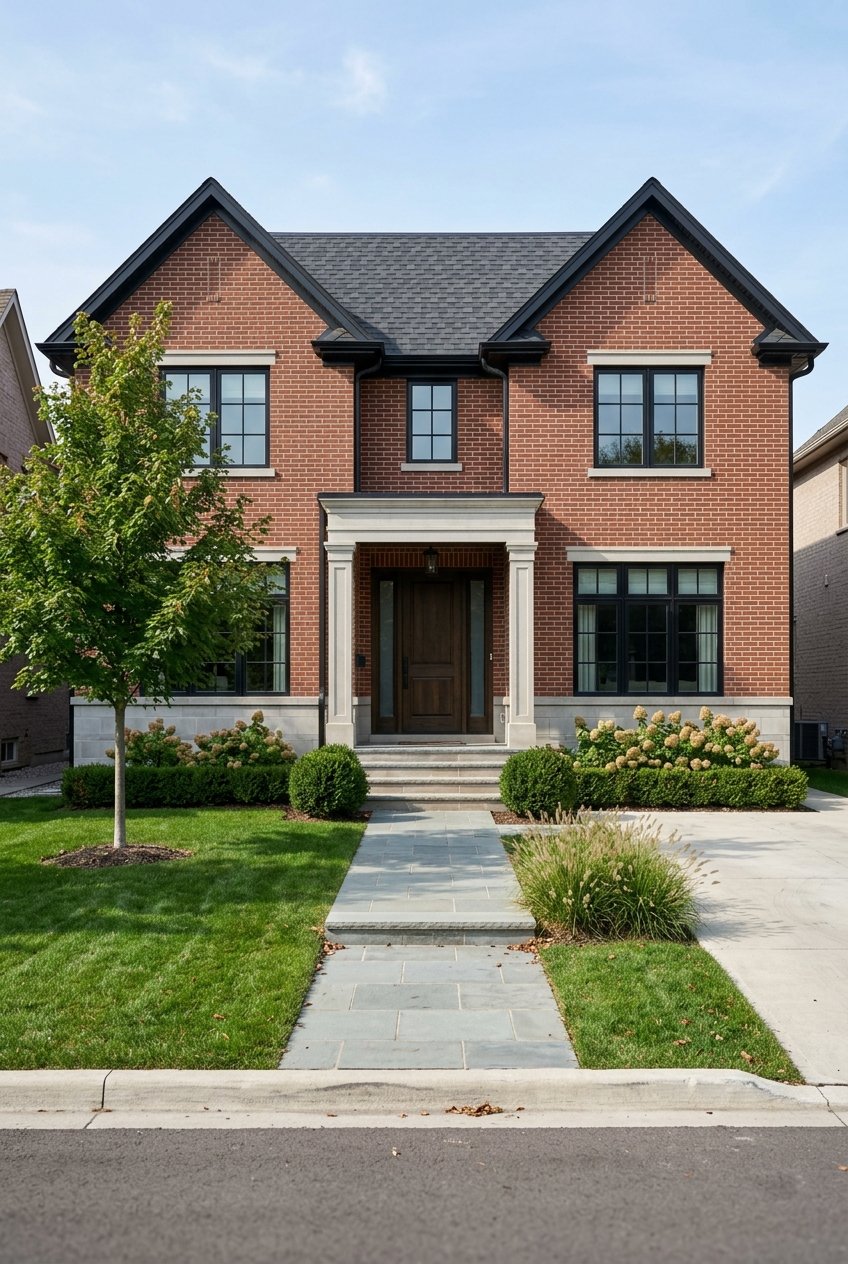
Buying your first home in New Providence can feel exciting and intimidating at the same time. You may be balancing a big goal with a fast-moving market, higher prices, and a long list of decisions. The good news is that with the right preparation, you can shop with more confidence, avoid common missteps, and understand what matters most in this borough. Let’s dive in.
Why New Providence Draws First-Time Buyers
New Providence is a mostly residential borough in Union County with a housing mix that includes primarily owner-occupied single-family homes, along with garden apartments, condominiums, and a senior-living community. The borough also offers two train stations in town and access toward Hoboken and Penn Station in Midtown Manhattan, with proximity to Newark, I-78, the Garden State Parkway, and the New Jersey Turnpike.
For many first-time buyers, that combination matters. You are not just buying a home. You are also buying into a location, a commute pattern, and a monthly cost structure that needs to fit your life.
Recent Census QuickFacts show an owner-occupied housing rate of 75.8% in New Providence, a median value of owner-occupied homes of $769,900, and a mean travel time to work of 31.8 minutes. Those numbers help frame the borough as a place where homeownership is common, but the cost of entry is meaningful.
What the Market Looks Like Right Now
If you are hoping for a bargain market, New Providence is likely not it. Current market data points to a competitive environment with relatively limited inventory and quick-moving listings.
Realtor.com reported a median listing price of $1.1 million with 41 active listings in June 2026, along with a sale-to-list ratio of 110%. Redfin reported a median sale price of $1,294,725 and a median of 13 days on market over the three months ending May 2026. In plain terms, homes can move fast and often sell above asking.
That does not mean you should rush blindly. It means your preparation matters more here than in a slower market.
Get Financing Ready Before You Tour
In New Providence, being lender-ready early can make a real difference. Because inventory is limited and competition is strong, waiting to sort out financing until after you find the right home can put you behind.
According to the New Jersey Department of Banking and Insurance, pre-qualification generally takes about two days, pre-approval lasts 60 to 90 days, and mortgage processing can take 30 to 90 days if you are not pre-approved. For a first-time buyer, that timeline is important because it affects how quickly you can act when a good fit appears.
Before you start serious touring, try to have these basics in place:
- A clear monthly payment target
- A realistic down payment plan
- A current pre-approval
- A rough estimate for closing costs
- A short list of must-haves versus nice-to-haves
This step is not just about speed. It is also about protecting your budget and helping you search within a range that feels sustainable.
Build a Budget Around Total Monthly Cost
The price of the house is only one piece of the picture. In New Providence, your monthly carrying cost may include principal, interest, property taxes, homeowner’s insurance, and possibly association fees if you are considering a condo or garden apartment.
Census data shows median monthly owner costs with a mortgage at $3,965, while median gross rent was listed at $1,903. Realtor.com also reported a median rent near $3,950 per month. These figures are useful reference points, but your actual cost will depend on the specific property, your financing terms, and whether the home has added fees.
If you are comparing property types, keep an eye on expenses such as:
- Property taxes
- Homeowner’s insurance
- Utilities
- Association or HOA dues
- Snow and trash removal responsibilities
- Common-area maintenance costs
A home that looks manageable at first glance may feel very different once all monthly costs are added together.
Understand New Providence Property Taxes
Property taxes deserve close attention here. New Providence’s tax assessor lists a 2025 tax rate of 5.242%, and the borough is in the middle of a borough-wide revaluation scheduled for completion by December 2026 for use in the 2027 tax year.
For you as a first-time buyer, that means you should not rely only on an old tax bill when estimating future payments. A reassessment can affect carrying costs, so it is smart to verify the specific property’s tax history and ask informed questions about how the revaluation may affect budgeting.
In a market where purchase prices are already elevated, this detail can have a meaningful impact on affordability.
Know What Makes a Strong Offer in New Jersey
Once you find a home you want, clarity matters. In New Jersey, offers commonly include an earnest-money deposit held in escrow, and the offer should spell out the price, down payment, closing date, included items, financing timing, and inspection provisions.
The New Jersey consumer guide also notes that counteroffers should be put in writing within 24 hours. In a competitive market like New Providence, that often means you need to be ready to make decisions quickly while still staying grounded in your budget and priorities.
A strong first-time buyer approach often includes:
- Knowing your ceiling before you offer
- Keeping your wish list focused
- Reviewing terms carefully, not just price
- Moving promptly when a home checks the right boxes
Speed helps, but discipline matters just as much.
Prepare for Attorney Review and Inspection
New Jersey has its own transaction mechanics, and first-time buyers should understand them early. Once a residential contract is signed, it usually enters a three-business-day attorney review period.
According to NJDOBI, contracts prepared by a real estate licensee must include that clause. During attorney review, an attorney may propose revisions or cancel the deal. The same guide also makes clear that agents and brokers cannot advise on legal matters, and only an attorney you retain represents your interests as the buyer.
After the contract becomes binding, an independent home inspection is typically recommended soon afterward. If the home was built before 1978, lead-based paint disclosure is required. NJDEP also recommends testing every home for radon, and for real estate transactions, a single short-term radon test can be used. NJDEP says action should be taken if radon levels are 4 pCi/L or higher.
Expect Closing Costs and a Defined Timeline
Closing is another area where first-time buyers can feel caught off guard. In New Jersey, closing is usually a face-to-face meeting involving the buyer, seller, agents, lawyers, a title clerk, and a lender representative.
NJDOBI says nonrecurring closing costs are often about 3% to 4% of the purchase price. Buyers also need to obtain homeowner’s insurance before closing because lenders will not allow the transaction to close without it.
If you are mapping out your cash needs, plan for more than just the down payment. You may also need funds for:
- Earnest money
- Inspection costs
- Attorney-related costs
- Title-related costs
- Lender fees
- Prepaid insurance and other closing items
A clean budget reduces stress later in the process.
Look Into New Jersey First-Time Buyer Assistance
If upfront cash is your biggest hurdle, state-level assistance may be worth exploring. NJHMFA says a first-time buyer is someone who has not owned a home in the previous three years.
The agency’s first-time homebuyer mortgage program is a 30-year fixed government-insured loan through a participating lender. NJHMFA also offers statewide down payment assistance of up to $15,000 by county, and eligible first-generation buyers may be able to add $7,000 more, for a total of $17,000 to $22,000 in assistance. The agency describes this down payment assistance as a five-year forgivable second loan with no monthly payment.
Programs like these may not solve every affordability challenge in New Providence, but they can help reduce the upfront barrier for qualified buyers.
Why Local Guidance Matters Here
In a market like New Providence, local insight can help you make faster and more informed decisions. That is especially true when you are weighing property taxes, commute access, monthly carrying costs, and the tradeoffs between single-family homes, condos, and garden apartments.
The New Jersey consumer guide advises buyers to choose a real estate professional who knows the local area well. It also notes that buyers may work with an attorney during the purchase process and that legal advice should come from the attorney you retain.
For first-time buyers, good guidance is often less about pressure and more about clarity. You want to understand what you are seeing, how a home fits your budget, and what the next step looks like before the pace of the market forces a quick decision.
If you are thinking about buying your first home in New Providence, a thoughtful plan can make the process feel far more manageable. From financing and taxes to offer strategy and closing, the right support can help you move with confidence in a competitive market. When you are ready for tailored guidance, The McGurl Team is here to help.
FAQs
What should first-time buyers know about the New Providence housing market?
- New Providence is a competitive, high-price market with limited inventory, a reported median listing price of $1.1 million, and homes often selling quickly.
How early should first-time buyers get pre-approved in New Providence?
- You should aim to get pre-approved before serious touring because pre-approval helps you act faster in a market where homes may move in about 13 days.
What property tax issue should first-time buyers watch in New Providence?
- You should review the property’s tax history carefully because New Providence is in a borough-wide revaluation that is scheduled to affect the 2027 tax year.
What costs should first-time buyers budget for beyond the down payment in New Providence?
- You should plan for closing costs, homeowner’s insurance, inspections, earnest money, and possibly association fees, utilities, and other monthly ownership costs.
What happens after a New Jersey home purchase contract is signed?
- In most New Jersey residential sales, the contract enters a three-business-day attorney review period, and once it becomes binding, the buyer typically moves into inspection and mortgage processing steps.
Are there first-time homebuyer assistance programs available in New Jersey?
- Yes, NJHMFA offers eligible buyers a first-time homebuyer mortgage program and down payment assistance that may total $17,000 to $22,000 for qualified first-generation buyers.