Choosing between an older home and a newer one in Summit is not just about style. It is about how you want to live, what kind of upkeep you are comfortable with, and how much work you want to take on after closing. In a town where the housing stock skews older and new construction is limited, that decision matters even more. If you are weighing charm against convenience, this guide will help you compare the tradeoffs clearly. Let’s dive in.
Summit’s Housing Stock Sets the Tone
Summit is a market where older homes are part of the town’s identity, not a small niche. According to the city’s 2026 Housing Element, 33.4% of housing units were built in 1939 or earlier, and about 81.5% were built before 1970. Only about 2% of the housing stock has been built since 2010.
That age profile shapes what you will actually see when you start your search. Summit also reports that 66.7% of its housing units are detached single-family homes, so much of the market is made up of established houses on mature streets rather than large amounts of recently built inventory. For buyers, that means historic character is often the rule, while modern construction is the exception.
Historic Homes in Summit
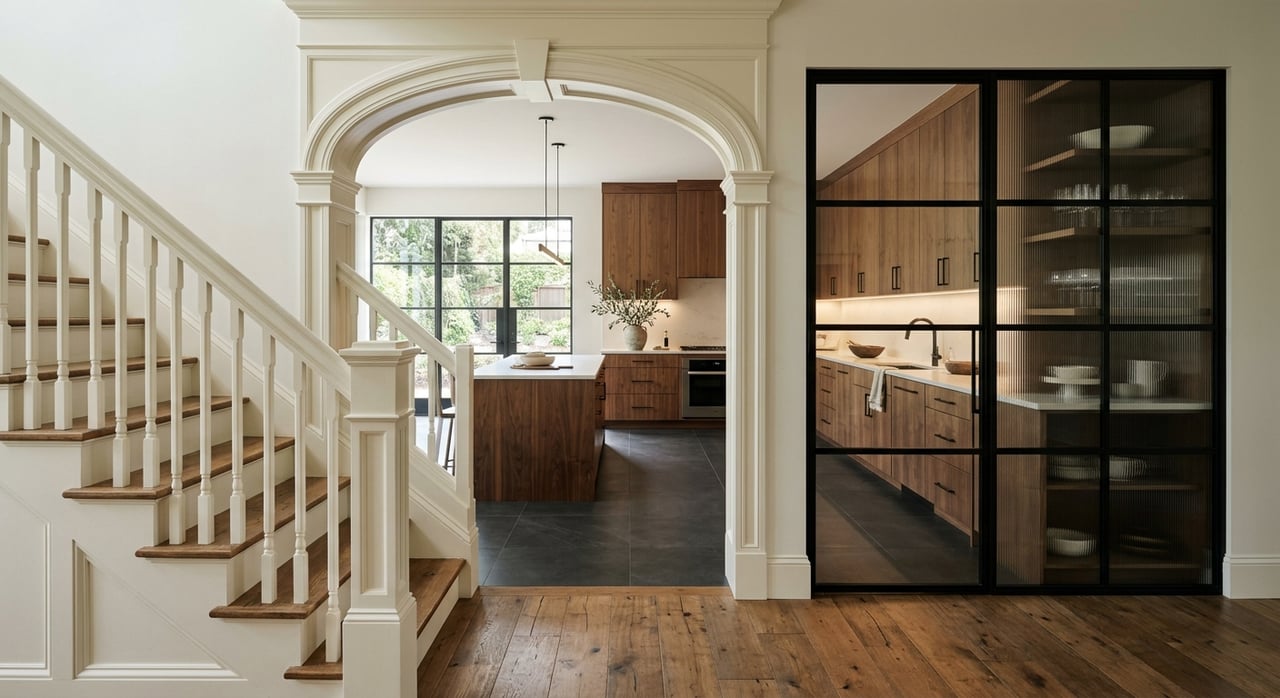
Historic homes offer character and context
If you are drawn to architecture, Summit gives you a wide range of historic styles. The city’s historic district descriptions highlight architecture from roughly the late 1800s through the early 1900s, including Queen Anne, Shingle, Colonial Revival, Tudor Revival, Italian Renaissance Revival, Neoclassical, Richardsonian Romanesque, Late Gothic Revival, and Federal Revival examples.
These homes often appeal to buyers who want original design details and a stronger sense of place. Summit’s historic districts include settings such as the Downtown Historic District, the North Side Historic District, Beekman Terrace, Deantown, and the Morris Avenue Area. Together, they reflect a town that developed over time rather than all at once.
Historic districts come with rules
The appeal of an older home often comes with more planning. Summit requires building permits for most renovations, additions, or general home improvements, and exterior work often requires a survey. The city also requires a zoning certificate of occupancy before a sale, rental, or occupancy change.
If a property is in a historic district, the review process can involve additional oversight. Summit’s Historic Preservation Commission reviews zoning-variance applications and works to maintain design standards in historic districts. That does not make change impossible, but it can affect how you plan exterior updates and improvements.
Older homes may need more updates
With older housing, the purchase price is only part of the picture. Homes built before 1978 are more likely to contain lead-based paint, and older homes often have less insulation than homes built today. In practical terms, some buyers should expect to budget for updates to insulation, systems, and paint safety along with any aesthetic work.
That is why historic homes tend to fit buyers who appreciate long-term stewardship. If you enjoy the idea of improving a home gradually while preserving what makes it special, an older Summit property may feel like the right match. If you want fewer immediate projects, you may prefer newer construction.
Modern Homes in Summit
Newer homes are harder to find
New construction is relatively scarce in Summit, which is part of what makes it stand out when it hits the market. The city’s housing plan says only about 2% of the housing stock was built since 2010. From 2009 through 2023, the city reported 251 residential building permits for new construction, averaging about 25 per year, with 139 units of net housing growth after demolitions.
That limited pipeline means newer homes are not the default option in Summit. Instead, they usually serve as a turn-key alternative for buyers who want modern layouts, newer systems, and less near-term maintenance. In a market with so much older inventory, that convenience can carry real value.
Modern homes often trade character for ease
Newer homes usually attract buyers who want a cleaner handoff at closing. Compared with many older properties, they may offer better energy performance and fewer repair projects right away. For busy buyers or relocating households, that can make the move feel more predictable.
The tradeoff is that newer homes may not offer the same architectural history or period detail found in Summit’s older districts. The choice often comes down to your priorities. Do you want distinct design and a sense of history, or do you want efficiency and a more move-in-ready experience?
Permits still matter for newer homes
A newer home does not mean you can ignore local regulations. Summit still requires permits for most renovations and additions. Engineering permits can also be triggered by work involving driveway aprons, curbing, sidewalks, grading, utility work, and other exterior changes.
In other words, newer construction may reduce preservation-related complexity, but it does not remove the city’s permitting framework. If you plan to make changes after closing, it is still important to understand the approval process early.
Historic vs. Modern: What Buyers Should Compare
Think beyond appearance
It is easy to compare homes based on finishes, curb appeal, or layout. In Summit, the better question is often how much work you want to own after the purchase. Two homes can serve very different lifestyles even if they are priced in the same range.
A historic home may offer stronger architectural distinction and an established setting, but it can also come with more maintenance and more decision-making around updates. A newer home may feel simpler day to day, but it could be harder to find and may not deliver the same level of period character.
A quick side-by-side comparison
| Feature | Historic Summit Homes | Modern Summit Homes |
|---|---|---|
| Availability | More common in the local housing stock | Relatively limited |
| Style | Period architecture and original details | Contemporary layouts and newer finishes |
| Upkeep | May require more updates over time | Often fewer immediate projects |
| Permitting | May involve added historic district considerations | Still subject to local permits and approvals |
| Buyer fit | Best for buyers who value character and are comfortable with stewardship | Best for buyers who want convenience and lower near-term maintenance |
How the Market Affects Your Decision
Summit’s current market conditions add urgency to the comparison. Realtor.com reported 46 homes for sale, a median list price of $1.61 million, a median of 22 days on market, and a 106% sale-to-list ratio in March 2026. It also described Summit as a seller’s market.
In a tight market, both historic and newer homes can perform well when they are well priced and well maintained. Summit’s Historic Preservation Commission notes that the city’s preserved character helps support high real estate values. That suggests buyers are not simply paying for age or novelty alone. They are often responding to condition, presentation, and overall fit.
For resale, that means there is no automatic winner between historic and modern homes. A well-kept historic property can benefit from architectural distinction, while a newer home can benefit from turn-key appeal and fewer early capital needs. In both cases, thoughtful ownership matters.
Which Type of Home Fits You Best?
Choose historic if you value originality
A historic Summit home may be the better fit if you want:
- Original architectural detail
- Mature streetscapes and an established setting
- A home you can improve over time
- A stronger connection to Summit’s long development history
This path usually works best if you are comfortable thinking beyond cosmetic updates. You may need to factor in permits, surveys, or system improvements as part of ownership.
Choose modern if you value convenience
A newer Summit home may be the better fit if you want:
- More turn-key living
- Newer systems and potentially better energy performance
- Fewer immediate maintenance projects
- A more predictable post-closing experience
This option can be especially attractive if you are relocating, managing a busy schedule, or simply want to spend less time on home projects in the near term.
The Bottom Line on Summit Homes
In Summit, the decision between historic and modern homes is really a decision about lifestyle. Historic homes usually offer character, architectural variety, and a deeper sense of context within the town. Newer homes usually offer convenience, efficiency, and less immediate project risk.
Because Summit has an older housing base and limited new construction, both choices can be compelling for different reasons. The right move is not about which category is better on paper. It is about which home fits your timeline, comfort level, and long-term plans.
If you are comparing homes in Summit and want a clear, tailored strategy for what to buy and how to evaluate it, The McGurl Team can help you navigate the market with insight, discretion, and a high-touch approach.
FAQs
What makes historic homes in Summit different from newer homes?
- Historic homes in Summit typically offer period architecture, original details, and established settings, while newer homes tend to offer more turn-key living, newer systems, and fewer near-term maintenance needs.
How old is most of the housing stock in Summit, NJ?
- Summit’s 2026 Housing Element says 33.4% of housing units were built in 1939 or earlier, about 81.5% were built before 1970, and only about 2% were built since 2010.
Are new construction homes common in Summit?
- No. The city reports that only about 2% of Summit’s housing stock was built since 2010, which makes newer homes a relatively limited part of the market.
Do historic homes in Summit require special approvals for renovations?
- They can. Summit requires permits for most renovations, additions, or general home improvements, and properties in historic districts may face additional review related to design standards and zoning-variance applications.
Do newer homes in Summit still need permits for changes?
- Yes. Summit requires permits for most renovations and additions, and some exterior work may also trigger engineering permits.
Is Summit a competitive market for both historic and modern homes?
- Yes. Realtor.com described Summit as a seller’s market in March 2026, reporting 46 homes for sale, a median list price of $1.61 million, 22 median days on market, and a 106% sale-to-list ratio.