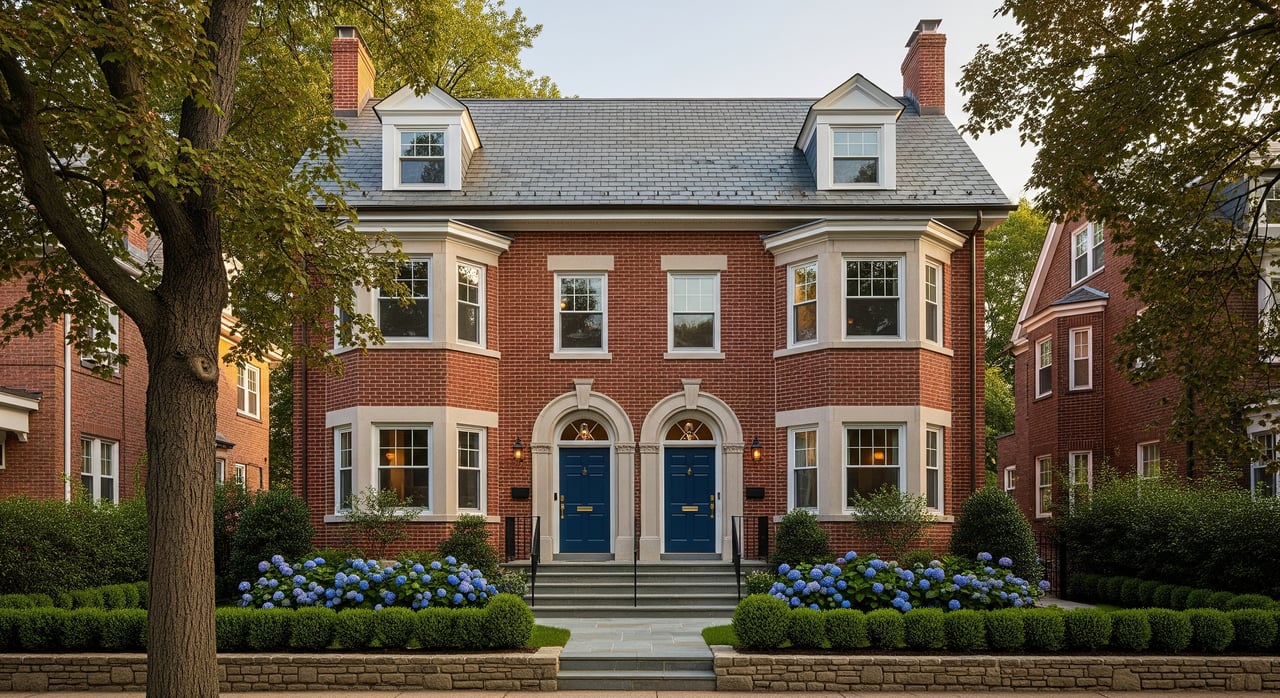
Thinking about living in one home while your neighbor helps pay the mortgage? A two-family in Montclair can be a smart way to enjoy a vibrant town and offset monthly costs with rent. If you are a move-up buyer or a hybrid owner-occupant, you want clear steps, not guesswork. In this guide, you will learn how to evaluate properties, finance a 2-unit purchase, and check the legal details that matter in Montclair. Let’s dive in.
Why Montclair suits two-family buyers
Montclair offers strong rental demand because of transit access and lifestyle. Multiple stations on the Montclair–Boonton Line connect to northern New Jersey with links to New York City, which keeps demand steady for commuters. You can confirm station locations and schedules through NJ Transit’s Montclair–Boonton Line resources.
Quality of life also drives demand. Montclair has active downtowns, restaurants, arts, parks, and a range of public and private schools. Nearby Montclair State University adds renter interest from students and staff. Many neighborhoods include early 20th century multi-unit buildings, so duplexes fit the local housing stock.
Zoning, permits, and legal status
Before you fall in love with a property, confirm that both units are legal and rentable. Start with the Township’s zoning, building, and code enforcement resources on the Township of Montclair official site. Ask about permitted uses, rental registration, any certificate of occupancy requirements, and whether the property sits in a historic district with added rules.
Older homes sometimes include basement or attic conversions. Unpermitted units can affect appraisals, insurance, and financing. Verify separate entrances, addresses if required, and any prior rental inspections. If a unit is not legal today, get clarity on what it would take to legalize.
Financing your 2-unit purchase
Owner-occupants can access residential loan programs for 2–4 unit properties, which often means better terms than pure investment loans. Work with a lender who regularly underwrites owner-occupied multi-unit homes.
FHA, conventional, and VA loans
- FHA loans. FHA permits 1–4 unit owner-occupied purchases, typically with low down payment options for qualified borrowers. Lenders often allow a portion of unit-two rent to help with qualification under published rules. Review program details on HUD’s FHA resources.
- Conventional loans. Fannie Mae and Freddie Mac allow 2–4 unit owner-occupied loans; down payment minimums are typically higher for 2-unit properties than single-family. Lenders often include some market rent in qualifying. See guidance in the Fannie Mae Selling Guide.
- VA loans. Eligible veterans can buy 2–4 unit properties when they occupy one unit, often with low or no down payment depending on entitlement and lender policies. Learn more in the VA Home Loan program.
- Portfolio bank loans. Local banks and credit unions may offer flexible programs for small multi-family. Expect higher down payments or reserve requirements.
What lenders verify
- Occupancy intent. You will certify that you will live in one unit. Be ready to show a move-in plan and documentation if requested.
- Rental income treatment. Ask how the lender will count rent from the second unit. Some use current leases, others use 75 percent of appraiser-determined market rent. Get assumptions in writing.
- Appraisal format. Multi-unit appraisals include rent schedules and an income approach. Vacant or non-compliant units can reduce value.
- Reserves. Many lenders require extra reserves for multi-unit properties. Plan for several months of payments on hand.
Down payment and affordability tips
Owner-occupied duplexes can lower your effective housing cost because the second unit helps cover the mortgage. Pre-qualify with a lender who understands multi-unit guidelines before you shop. Use conservative rent estimates so you are not surprised during underwriting.
What to look for on tours
Treat a duplex like two homes plus shared systems. You want separation, safety, and low deferred maintenance.
Exterior checks
- Roof condition, age, flashing, gutters, and downspouts.
- Foundation and grading, signs of moisture, and any sump pump.
- Porches, decks, stairs, handrails, and overall structural soundness.
- Parking availability and layout. Parking shortages can affect rentability.
Interior checks by unit
- Kitchens and baths, ventilation, and evidence of leaks.
- Heating and cooling systems by unit. Note age, fuel type, and whether each unit has its own system.
- Electrical panels and wiring type. Knob-and-tube or aluminum wiring can affect safety and insurance.
- Plumbing materials and water heater age.
- Fire safety and egress. Look for smoke and CO detectors and proper separation between units.
- Basement areas. Check ceiling height, egress, and whether any finished space is legal for sleeping.
Inspections to schedule
- General home inspection with a multi-unit focus.
- Specialists as needed: structural engineer, chimney, HVAC, licensed electrician, and a sewer scope.
- Lead-based paint considerations for pre-1978 homes. Review guidance from the EPA on lead and RRP rules if you plan renovations.
- Insurance review. Get quotes early since multi-unit policies differ from single-family coverage.
Legal compliance and safety
Confirm rental registration and certificates of occupancy with the Township. Each unit should have legal rentable status. Review occupancy limits and habitability standards. If you plan to be a landlord, the New Jersey Department of Community Affairs provides resources on landlord-tenant rules and housing codes.
Document shared elements like driveways, party walls, or mechanical rooms. Your attorney can review the deed for easements and any shared responsibilities.
Will the numbers work?
You do not need a complex model to screen a duplex. Start with a simple, conservative framework and refine as you go.
Quick pro forma steps
- Estimate potential gross rent from both units using comparable listings. Use conservative market assumptions.
- Subtract a vacancy allowance. A 5 to 10 percent starting point is common when you do not have local data yet.
- Estimate operating expenses. For older small multi-family, many buyers start with 40 to 50 percent of gross rent to cover taxes, insurance, maintenance, landlord-paid utilities, and management, then adjust with real quotes.
- Calculate net operating income. Effective rent after vacancy minus operating expenses equals NOI.
- Subtract your monthly mortgage payment to find cash flow before taxes.
Key metrics explained
- Gross Rent Multiplier. Purchase price divided by annual gross rent. Lower GRM can signal better value relative to income.
- Cap rate. NOI divided by purchase price. Near major commuter hubs, cap rates are often lower; compare to your risk tolerance.
- Cash-on-cash return. Annual cash flow after debt divided by your cash invested. This helps assess near-term performance for owner-occupants.
Fast deal filters
- Can you qualify with realistic rent assumptions under your lender’s rules?
- Are both units legal and rentable today? If not, what will it cost and how long will it take to legalize?
- What big-ticket items are due in the first 1 to 3 years? Roof, HVAC, electrical upgrades, or sewer repairs should affect your offer.
- Are utilities separate? If shared, can you meter or allocate costs fairly?
Taxes, insurance, and reserves
Property taxes in New Jersey are among the highest in the nation, and Essex County bills are often significant. For perspective on state-level rankings, you can review the Tax Foundation’s property tax context. Always verify the actual tax bill with municipal records for the property you are considering.
Multi-unit policies differ from standard homeowner coverage. Insurers will price based on age, materials, roof condition, and claims history. Build reserves for capital items like roofs and boilers and for turnover costs between tenancies.
Montclair resources to use
- Zoning, permits, and rental registration: start with the Township of Montclair, then contact the building and planning departments.
- Commuting: confirm station details with NJ Transit.
- University demand: reference Montclair State University to understand campus location and potential renter interest.
- Financing rules: see HUD’s FHA resources, the Fannie Mae Selling Guide, and VA Home Loans.
- Health and safety: read the EPA’s lead paint guidance and the NJ DCA for landlord-tenant resources.
Next steps
If you are aiming for a high-quality home and a stable rental in Montclair, focus on legal status, separation of systems, and conservative underwriting. Pair that with a lender experienced in owner-occupied multi-family and a strong inspection team. With the right plan, you can enjoy Montclair living while your second unit helps fund the move.
Ready to map out a purchase strategy, tour on- and off-market options, and run precise numbers on target properties? Request a Private Consultation with Ryan McGurl and the McGurl Team for concierge guidance tailored to Montclair’s two-family market.
FAQs
How does rental income help me qualify for a Montclair duplex?
- Many lenders allow a portion of market or lease rent from the second unit to count in qualification; ask your lender early how they treat rental income under FHA, conventional, or VA guidelines.
What are the key legal checks for a two-family in Montclair?
- Verify zoning, rental registration, and certificate of occupancy with the Township; confirm both units have legal status, proper egress, and required safety features.
Which loan types work for owner-occupied 2-unit purchases?
- FHA, conventional (Fannie Mae and Freddie Mac), VA for eligible veterans, and some portfolio bank programs offer options when you live in one unit.
What inspections are most important for older Montclair homes?
- In addition to a general inspection, consider sewer scope, electrical evaluation for older wiring, chimney inspection, and HVAC service, plus lead safety planning for pre-1978 homes.
How should I estimate expenses and reserves on a duplex?
- Start with a 40 to 50 percent operating expense ratio on gross rent, verify taxes and insurance, and set reserves for near-term capital items like roof, boiler, and electrical upgrades.
Do I need separate utilities for each unit?
- Separate electric and gas meters simplify billing and can improve rentability; if utilities are shared, price the setup fairly or explore metering options and costs before you buy.