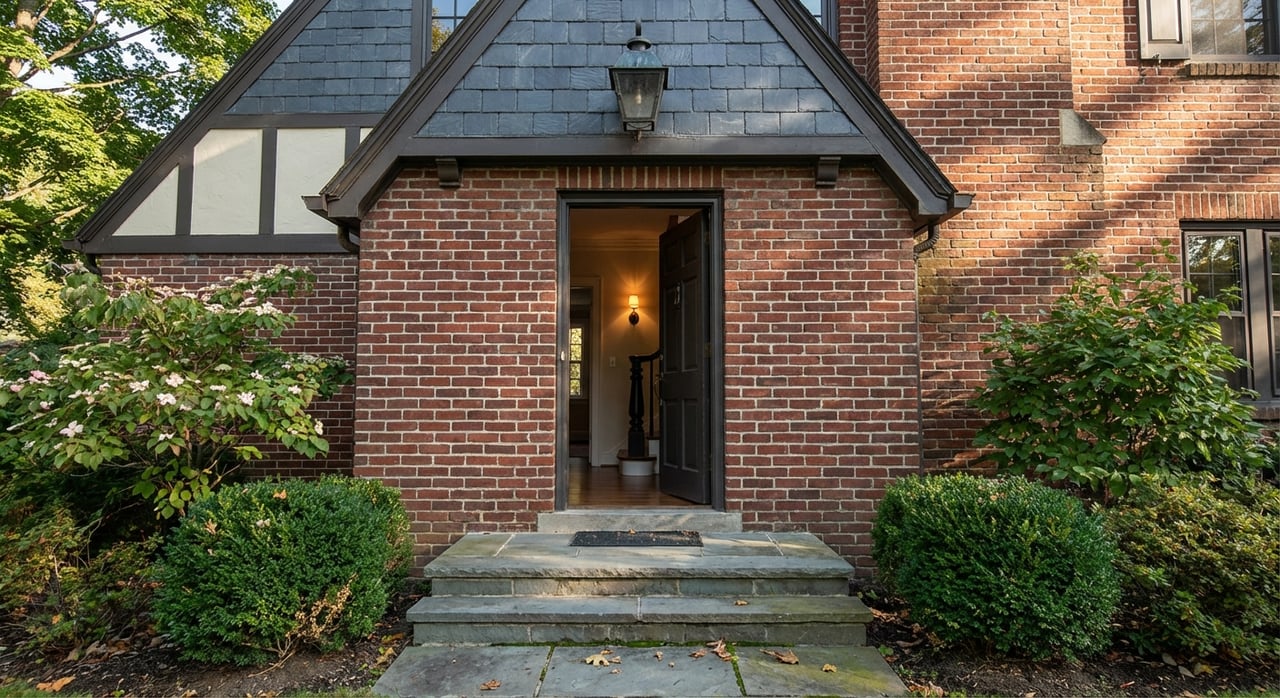
Is your Montclair Tudor, Colonial, or Victorian getting ready for its next chapter? Selling a historic home here can feel different from a typical sale, especially with local preservation rules and buyer expectations. With the right plan, you can protect your home’s character, avoid delays, and achieve a strong result. This guide walks you through the key steps owners take in Montclair to sell with confidence. Let’s dive in.
What makes Montclair sales different
Montclair has several locally designated historic districts and landmarks. If your home is within one of these areas, many exterior changes require review by the Montclair Historic Preservation Commission. It pays to confirm your status early so you can plan work and marketing in a smart way.
Local rules, not the National Register, usually determine what needs approval. A National Register listing is largely honorary and does not by itself restrict a private owner’s changes, unless federal funds or permits are involved. In Montclair, local designation triggers Certificate of Appropriateness review for certain exterior work.
Confirm status and rules first
Check local designation
Start by confirming if your property is a local landmark or within a local historic district. The Township lists districts and landmarks, and the Historic Preservation Commission page explains how reviews work and when applications are needed. Review the Township’s resources on the Montclair Historic Preservation Commission and browse the Local Historic Districts to understand your home’s context.
Know what needs approval
Montclair’s Historic Design Guidelines outline preferred materials and treatments and follow the Secretary of the Interior’s Standards. If you plan visible exterior work, check the Historic Design Guidelines to see what is typically approved and what requires a formal Certificate of Appropriateness. If you expect larger changes, schedule time for a COA and gather drawings or specs to streamline review.
Understand demolition oversight
Montclair enforces a demolition review process that can trigger hearings for properties on the Historic Sites Inventory. This matters if you are considering major exterior rebuilding or partial/total demolition before listing. Local reporting illustrates how demolition review can affect timelines and outcomes, as seen in a Montclair Local case overview.
Federal vs local rules
It is common to mix up the National Register with local designation. The National Park Service makes clear that a National Register listing does not itself prohibit private owners from changing or demolishing a property unless federal involvement exists. Read more in the National Historic Landmarks FAQs and use local rules as your day-to-day guide.
Prepare the house the right way
Get a pre-listing inspection and records
Before you go to market, order a pre-listing inspection and gather repair histories, permits, and dates for roofs, electrical, plumbing, HVAC, and any structural work. A clear record reduces surprises and builds buyer confidence. Create a simple property packet with system ages, service providers, and recent invoices.
Fix safety and systems items
Address safety hazards first. Common issues in older homes include outdated wiring, faulty chimneys, roof leaks, and structural concerns. Pull permits where required and keep documentation. If exterior work intersects with historic features, coordinate your approach with the Township’s application guidance and allow review time through the COA process.
Follow exterior best practices
Montclair’s guidelines favor repair over replacement and like-for-like materials. Preserve porches, cornices, masonry details, and original windows where feasible. If you need larger replacements, consult the Historic Design Guidelines and include drawings or product details in your COA application to reduce the risk of delays.
Modernize interiors without losing character
Most buyers want updated kitchens and baths along with reliable mechanicals, but they also value original millwork, floors, mantels, and built-ins. Focus your budget on functional upgrades that do not change the exterior. Choose finishes that blend with the home’s period details so the overall look feels cohesive and timeless.
Use lead-safe practices and certified contractors
For homes built before 1978, federal law requires lead-based paint disclosures and a 10-day opportunity for buyers to conduct inspections. Review the EPA’s lead disclosure rule and have the pamphlet ready for showings. If you do any paint-disturbing work before listing, ensure your contractor follows the EPA RRP Rule; learn the basics on lead-safe work requirements.
Pricing and valuation realities
Understand how designation affects value
Historic designation can support value in some markets, but effects vary by location, rules, and property condition. Academic research finds average price impacts often fall in the low single digits in favorable settings, with mixed results elsewhere. A balanced overview is available in this valuation research summary.
Lean on local comps and condition
In Montclair, neighborhood context, transit access, and condition of the house usually drive price more than designation alone. Expand your comp set to capture similar pre-war homes and time-adjust if sample sizes are small. Be conservative on deferred maintenance and code-level system updates and decide whether to repair, credit, or price for them upfront.
Prepare for negotiation
Buyers who seek character often accept quirks, but they will focus on safety, roofs, structural items, and aging systems. Documentation can reduce back-and-forth during attorney review and inspections. Consider a modest credit strategy for predictable findings to maintain momentum without overcommitting to mid-contract projects.
Market and stage the story
Build a property history packet
A compelling story helps buyers connect with your home. Highlight character-defining features, showcase restoration work, and share a simple ownership timeline. If you want to add depth, the Montclair History Center is a helpful resource for local research and context.
Elevate photography and staging
Use professional photography that captures stained glass, stair details, fireplaces, and original floors. Stage with light, neutral pieces so the architecture takes center stage. Even partial or virtual staging can help buyers visualize scale and flow while keeping attention on the home’s craftsmanship.
Be show-ready with disclosures
Have your NJ Property Condition Disclosure completed and your lead pamphlet available if the home is pre-1978. Keep utility averages, contractor contacts, and COA history on hand to answer buyer questions. A clean, complete information set signals care and supports stronger offers.
Incentives and easements: what to know
Tax credits and grants
Federal historic rehabilitation tax credits apply only to income-producing projects, not to owner-occupied single-family homes. Check the NPS tax incentive eligibility if you plan rental or commercial uses. New Jersey’s Historic Property Reinvestment Program targets larger, income-producing or multi-unit projects, not typical single-family owner-occupied work.
Preservation easements
Easements can protect architectural features forever, and in some cases they may generate a charitable deduction. They can also narrow your buyer pool or reduce market value. If you are considering this path, understand the appraisal, lender subordination, and tax rules explained in this overview of easement donations.
Quick pre-listing checklist
- Confirm if the home is a local landmark or in a district and review the HPC process.
- Order a pre-listing inspection and gather permits, invoices, and system ages.
- Address safety, structural, roof, and electrical issues first; document fixes and permits.
- For exterior work, consult the Historic Design Guidelines and plan for any required COA.
- Complete NJ seller disclosures and, for pre-1978 homes, prepare the EPA lead disclosures.
- Stage key rooms and invest in professional photos that showcase period details.
- Set pricing with local pre-war comps and adjust for deferred maintenance or credits.
Ready to sell your Montclair historic home with a plan that honors its character and maximizes value? For a private, preservation-minded strategy and premium marketing tailored to your property, request a consultation with Ryan McGurl.
FAQs
How do I confirm if my Montclair home is locally designated?
- Check the Township’s resources on the Historic Preservation Commission and the Local Historic Districts, or contact the Planning Department for verification.
Do I need approval to replace windows or siding?
- If your home is a local landmark or in a historic district, visible exterior changes may require a Certificate of Appropriateness; review the Historic Design Guidelines and the Township’s COA application guidance.
Are there tax credits for owner-occupied historic homes in NJ?
- Federal credits are for income-producing projects, not owner-occupied single-family homes, and the state’s HPRP program targets income-producing or larger redevelopment, so typical single-family owners should not expect tax credits.
What must I disclose when selling a pre-1978 Montclair home?
- You must provide the federal lead-based paint disclosure and EPA/HUD pamphlet and offer buyers a 10-day inspection window; see the EPA disclosure rule for details.
How can demolition review affect my sale timeline?
- Demolition requests for inventoried or designated properties can trigger hearings and added steps, which may extend timelines; local reporting offers examples, such as this Montclair Local case.