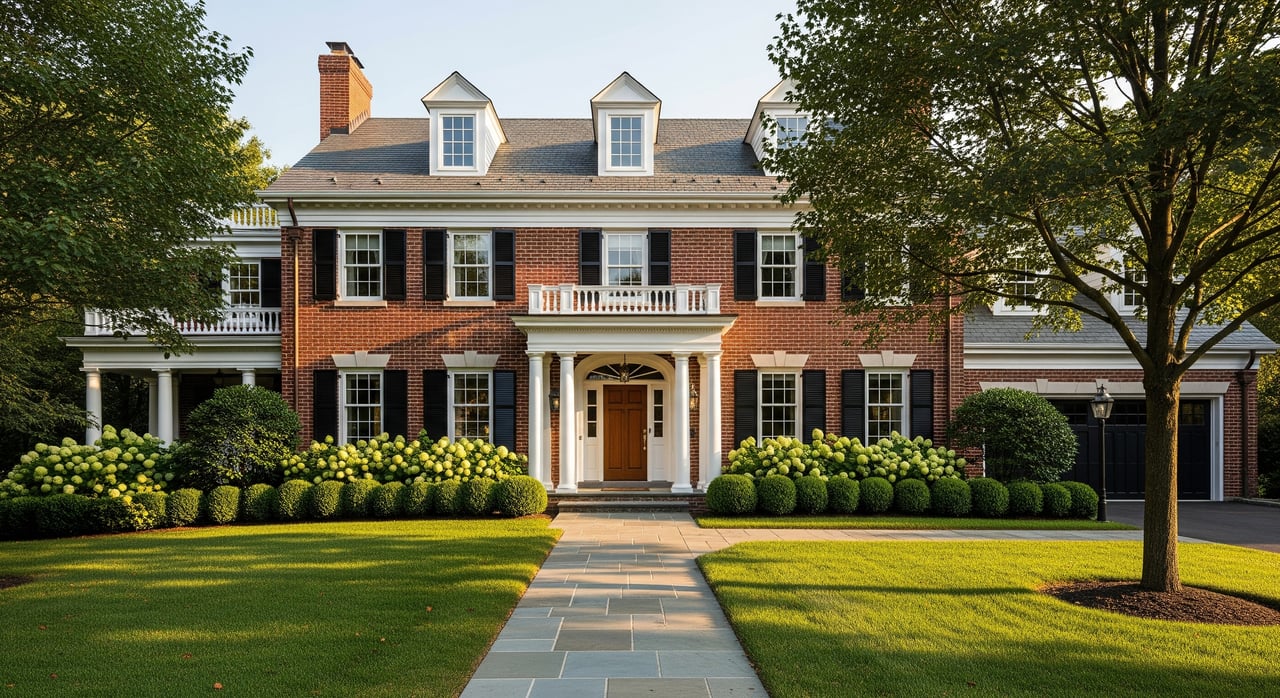
Why do some Westfield homes draw offers in a week while others sit for months? If you are planning to sell or buy, timing matters as much as price. You want a clear read on pace so you can set expectations, move with confidence, and negotiate well. This guide explains Days on Market in plain English and shows you how to use it in Westfield. Let’s dive in.
What Days on Market really means
Days on Market (DOM) measures how long a listing is publicly active before it goes under contract. In most systems, the clock starts when the listing becomes active and stops when the status changes to pending or under contract. It does not wait for the closing date.
Analysts often use the median DOM because a few very long or very short sales can skew the average. When comparing reports, confirm whether you are looking at median or average DOM so you do not misread the pace.
You may also see variants:
- DOM (single listing): Days since the current listing went live.
- Cumulative DOM (CDOM): Total days across multiple listing periods for the same property.
- Days to Contract/Days to Pending: Terms some broker reports use for the same idea.
Always confirm which definition a report is using before you compare towns, price bands, or different sources.
How listing events and MLS rules affect DOM
Relisting can change what you see. Some MLSs reset DOM when a property is withdrawn and relisted, while others continue CDOM. That means public portals can show lower DOM than the full history. For accurate Westfield analysis, rely on MLS reports or ask a local agent to explain how relists are handled in Union County.
Price reductions usually do not reset DOM. Multiple reductions can signal a pricing gap and often correlate with longer time to contract.
Statuses like Coming Soon or Temporarily Off Market can make a home invisible to the public for a period. That can skew what consumers see online. Third‑party portals sometimes display different DOM due to syncing and status rules, so treat the MLS as the source of truth. If your brokerage uses Bright MLS, review how it counts DOM and CDOM for New Jersey listings.
Westfield factors that change DOM
In Westfield, several local drivers influence how fast homes move:
- Consistent buyer demand connected to public schools and stable school zones can shorten DOM for many single‑family homes.
- NJ Transit access to New York City supports commuter demand, which often speeds up well‑located listings.
- Established neighborhoods and historic housing stock attract buyers who value character and are ready to act when the right home appears.
Other forces can lengthen DOM:
- Price sensitivity in certain tiers. Some higher or lower bands move slower.
- Mortgage rates. When rates rise, buyer traffic often cools and DOM increases.
- Condition. Homes needing significant renovation typically stay on the market longer unless priced for their condition.
- Seasonality. Spring is traditionally busier in suburban New Jersey, while winter can be slower.
DOM also varies by micro‑market. A small ranch and a large colonial two blocks apart can follow very different timelines. Compare true peers: same neighborhood, similar size and bed/bath count, and similar condition.
How to read DOM in Westfield
Use DOM as a signal about demand and leverage for your specific property type and price band.
- Low DOM: High demand and stronger seller leverage. Expect faster offers and tighter negotiation room.
- Moderate DOM: More balanced conditions. Sellers should be realistic on price. Buyers should act promptly on well‑priced homes.
- High DOM: Softer demand for that segment. Buyers may have more room to negotiate price and terms.
For sellers: Turn DOM into a pricing edge
- Price for the launch. The early days bring the most visibility. An accurate, competitive list price helps you avoid lingering and multiple reductions.
- Prepare for rapid showings. Pre‑inspection, staging, and professional visuals convert early interest into offers.
- Time the market. Listing in late winter or early spring often reduces DOM in suburban New Jersey.
- Monitor feedback. If your DOM reaches the local median for your comps without strong activity, consider a targeted price or marketing adjustment.
- Avoid frequent relists to reset the clock. It can hurt credibility. Use price strategy plus a fresh marketing push instead.
For buyers: Use DOM to negotiate
- Move fast on low‑DOM homes. Have pre‑approval and a clean, compelling offer ready in high‑demand pockets of Westfield.
- Use higher DOM for leverage. Homes well past the comparable median are more likely to consider price adjustments or concessions.
- Look beyond raw days. Study price‑history and seasonality. A winter listing with no activity may be overpriced for conditions.
- Gauge motivation. Combine DOM with the timing of price changes to read seller flexibility.
- Watch for resets. A low portal DOM might hide prior exposure. Ask your agent to check CDOM and the status history in the MLS.
The data to request before you act
Ask for a focused MLS report rather than town‑level averages. Useful items include:
- Median DOM for the last 30, 90, and 365 days for Westfield single‑family homes that match your property profile.
- DOM by price band and by core neighborhoods, using matched comparables.
- List‑to‑sale price ratio by DOM bucket, such as under two weeks versus over two months.
- Percentage of listings with price reductions and the timing of the first reduction.
- Months supply of inventory and the trend in new listings versus pendings.
A DOM heatmap or a concise table by neighborhood and price band is far more actionable than a single town number.
Examples: How DOM shapes real decisions
- You are listing a renovated four‑bed colonial near the train. Recent comparable homes went under contract quickly at accurate prices. A strong price at launch, paired with polished marketing, can compress DOM and improve your final terms.
- You are considering a larger home that has been on the market for a while. If similar homes in that band went under contract faster, the longer DOM may point to a pricing or condition gap. Use that signal to structure a thoughtful offer or request concessions.
- You see a home with low portal DOM that looks newly listed. An MLS history might reveal a prior listing period. Confirm CDOM before assuming the market is fresh.
Why strategy and presentation matter
DOM is not only a number. It reflects pricing precision, market timing, and the quality of your launch. Elevated presentation, strong distribution, and responsive communication can shorten time to contract and strengthen your negotiating position.
The McGurl Team pairs luxury listing marketing, omnichannel digital presentation, and Sotheby’s distribution to drive qualified exposure early in the listing cycle. For sellers who value speed and certainty, we also discuss auction pathways and curated buyer introductions when appropriate. For buyers, role‑specialized support keeps you ahead of fast‑moving opportunities.
Next steps for Westfield sellers and buyers
If you are planning a move, get hyper‑local DOM data before you set price or write an offer. A tailored report for your exact segment will save time and reduce risk.
Here is how we can help:
- Deliver a DOM and pricing brief using matched comparables for your Westfield segment.
- Advise on market timing, staging, and pre‑inspection to maximize early‑days impact.
- Build a targeted launch plan with professional visuals, video, and virtual tours.
- For buyers, prepare an action plan and negotiation approach based on DOM, price‑history, and inventory trends.
Ready to make a smart, timely move in Westfield? Connect with Ryan McGurl for a private consultation and a data‑driven plan for your goals.
FAQs
What does Days on Market include in Westfield?
- DOM typically counts from the day a listing becomes active to the day it goes under contract. Always confirm the definition in the report you are using.
Does DOM include Coming Soon status?
- It depends on MLS rules. Some systems do not start DOM until the listing is fully active. Confirm with the MLS or your agent.
If a Westfield home is relisted, does DOM reset?
- It depends on relist and CDOM policy. Check the listing’s prior events in the MLS for the reliable history rather than relying on portal DOM alone.
How quickly should a Westfield seller expect offers?
- It depends on price band, condition, and season. Use recent MLS data for comparable homes to set expectations. Median DOM for matched comps is the best guide.
Are longer DOM homes always risky buys?
- Not always. Longer DOM can reflect pricing or condition issues, but it can also signal room to negotiate if fundamentals like location and commuter access are strong.
Are current DOM trends influenced by mortgage rates?
- Yes. Higher mortgage rates often slow buyer demand and lengthen DOM, while lower rates typically shorten it. Review current local rate and inventory conditions with your agent.