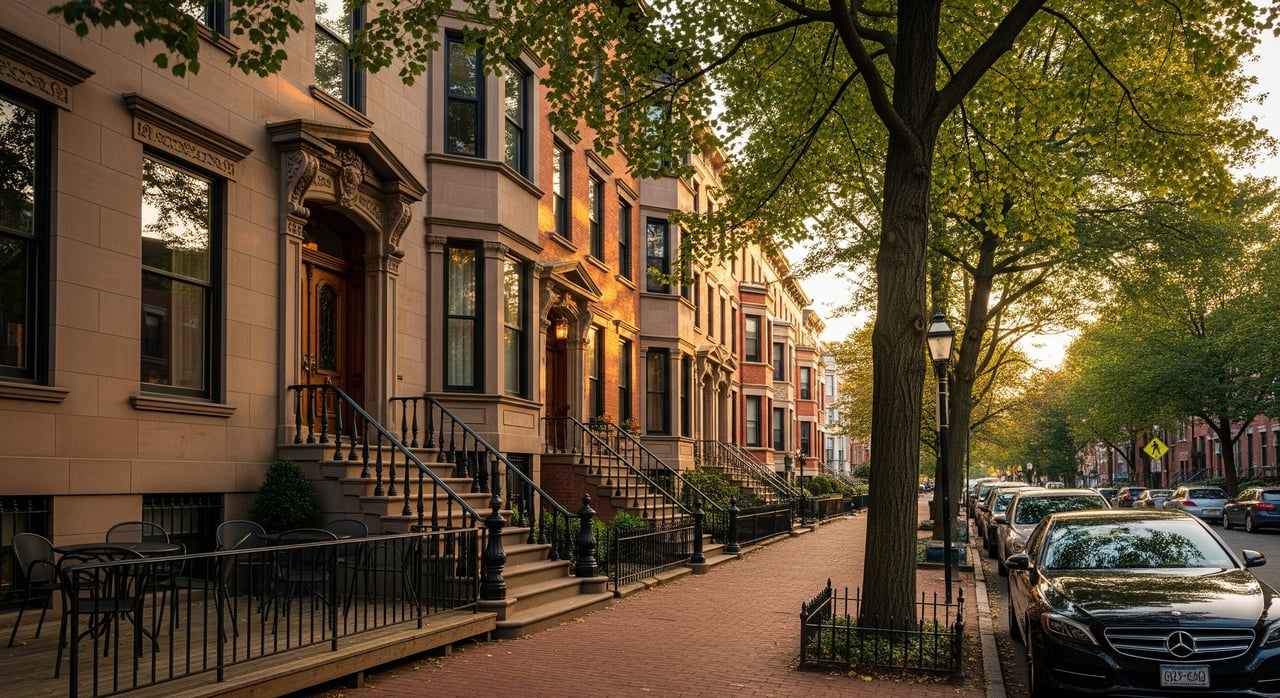
If you want a town where you can grab coffee, stroll to dinner, and make a quick train into the city, Montclair should be on your shortlist. You get leafy residential streets and lively commercial blocks within a short walk, which is why so many NYC and Brooklyn buyers end up here. In this guide, you’ll learn how walkability works in Montclair, what daily life feels like in the most walkable pockets, and how commuting and housing compare around each area. Let’s dive in.
How walkability works in Montclair
Montclair is a suburban township with several compact commercial districts rather than one single downtown. Many of the most walkable blocks sit near NJ Transit rail stations, where cafes, markets, restaurants, and small retail cluster together. This setup means some streets feel urban at the sidewalk level while nearby blocks feel more residential and quiet.
Walkability varies by pocket. In some neighborhoods you can reach a commercial strip in 5 to 15 minutes on foot; in others you will rely on a car for errands. The township’s planning and historic overlays help concentrate activity around these nodes, and the population of about 38,000 supports a busy local scene. For basic context on size and growth, review the township’s profile on the U.S. Census QuickFacts page.
Montclair’s most walkable pockets
Montclair Center and Bloomfield Avenue
This is the town’s primary commercial corridor, anchored by Bloomfield Avenue and Church Street. You can start your day at a cafe or bakery, grab lunch at a diner or international spot, and choose from a wide mix of bars and restaurants at night. Weekends bring steady foot traffic and street-level energy, especially during events.
Cultural anchors add to the walkable lifestyle. Residents here are close to screenings and events from Montclair Film and exhibitions at the Montclair Art Museum. Transit options are strong, with multiple rail and bus connections on the Montclair-Boonton Line for Hoboken and select New York Penn Station service; check schedules on NJ Transit’s line information. Housing around the corridor includes apartment buildings, converted multi-family homes, and single-family streets a few blocks away.
Walnut Street and Watchung Plaza
If you want a walk-to-dinner routine, this corridor is known for a concentrated stretch of restaurants, cafes, and evening spots. After work, it is common to meet friends for a quick bite within a few blocks of home. Weekends are active, and you have both quick-service and sit-down options within short walks.
Transit is close, which makes commuting simple if you prefer to live near an evening hub. The housing mix includes small apartment buildings, rowhouse-style homes on select blocks, and detached houses a short stroll from the main streets. Expect a social rhythm on weeknights and a lively feel on weekends without needing to drive.
Upper Montclair village area
Upper Montclair offers a village-like feel with daytime shopping, specialty food stores, and breakfast and brunch options. It is calmer on weeknights and busy on weekend mornings, with steady foot traffic from shoppers and dog walkers. Nearby gardens and green spaces give this pocket a park-adjacent vibe that many residents value.
You are close to beloved local gardens such as the Presby Memorial Iris Gardens and to larger county park systems with trail access managed by Essex County Parks. Housing near the village includes larger pre-war single-family homes in architectural styles like Victorian, Tudor, and Colonial Revival, along with tree-lined streets and some smaller multifamily options near transit. Many buyers choose this pocket for its balance of shops and access to nature within a short walk.
Bay Street and the commuter hub
This area is compact and commuter-focused, with morning and evening peaks around train schedules. You can grab coffee, a deli sandwich, or daily essentials on your way to and from the platform. The rhythm is practical and efficient for residents who want the shortest walk to frequent rail service.
Because the station is the anchor, this pocket tends to have denser multifamily buildings and smaller-lot houses. Parking can be tighter close to the station, so buyers who plan to keep a car often look into permit options or prioritize dedicated parking with their home search. For train details, review NJ Transit’s Montclair-Boonton Line overview.
Housing and commuting near walkable nodes
Architecturally, Montclair offers pre-war single-family homes, early 20th-century duplexes and small apartment buildings, brownstone or rowhouse styles in denser pockets, and newer condo conversions closer to stations. Some streets fall within local historic overlays, so renovations or new construction may involve design review. If that matters to your plans, explore township resources and planning updates on the Montclair Township website.
Homes and rentals within a short walk of the most active commercial districts and stations often command a premium. Prices vary by pocket, lot size, and architectural character, with Upper Montclair and certain blocks near major nodes trending higher because of proximity to parks and amenities. If you are comparing options, browsing neighborhood-level context on Walk Score’s Montclair overview can help you understand relative walkability.
For commuters, proximity to a preferred station is a key filter. Many residents experience a rail commute under an hour to Manhattan, depending on schedule and transfers. Service patterns change by time of day, so check current timetables on NJ Transit’s website and test a door-to-door run at your typical departure time. If you plan to drive, expect limited curb parking near busy nodes and look into municipal or permit rules.
Everyday convenience
In the core walkable pockets you will find cafes, pharmacies, independent markets, and personal services within a short walk. For a larger grocery run, many residents use a quick drive to bigger stores or place delivery orders. Fitness studios, salons, and dry cleaners are common near the commercial strips, so weekly errands are easy without a car.
Parks range from small neighborhood greens to larger county-managed reservations with trail systems. Residents often mix local playgrounds and gardens with weekend hikes in nearby natural areas. To see the range of facilities, explore Essex County Parks and seasonal updates from local institutions.
Seasonal and weekend rhythms
Walkability in winter depends on snowfall and sidewalk clearance. In the busiest districts, businesses and municipal services focus on keeping sidewalks accessible, but deep snow can slow things down. On clear days, you will still see plenty of walkers, especially on weekends.
Spring and fall bring outdoor dining and community events, which boost foot traffic around the main corridors. Cultural calendars add evening activity throughout the year, with programs from organizations like Montclair Film and the Montclair Art Museum.
Is Montclair the right fit?
If you want a true walk-to-dinner lifestyle with a realistic NYC commute, Montclair’s clustered commercial nodes deliver. The trade-off is that some blocks feel lively at night and parking can be tighter. If you prefer a quieter pace while staying close to shops, Upper Montclair’s village area and residential streets near the main corridors are worth a look.
Some buyers also compare Montclair with nearby Essex County communities that have village centers and rail service. Each town offers a slightly different blend of scale, price, and housing types. Your best match depends on commute preferences, home style, and how much evening energy you want outside your door.
How to choose your pocket
- Map your routine. List your must-have walkable stops, like cafes, a gym, a pharmacy, and a small market.
- Test your commute. Try a door-to-door run from the station you would use at your typical time; check NJ Transit for current schedules.
- Visit at different times. Walk the area on a weekday morning, a Friday night, and a weekend afternoon to feel the rhythm.
- Check parking and permits. If you keep a car, review municipal or station-adjacent rules on the Montclair Township website.
- Review planning and preservation. If you intend to renovate, look into local overlays and design review to avoid surprises.
- Explore green space. Use Essex County Parks and the Presby Memorial Iris Gardens to plan a park walk from each pocket.
When you are ready for on-the-ground guidance, curated tours, and a strategy that matches your lifestyle, connect with a local expert who knows the trade-offs block by block. For private, concierge-level support from search to closing, reach out to Ryan McGurl.
FAQs
How walkable is Montclair for daily errands?
- In the main nodes near rail stations, you can typically walk to cafes, pharmacies, markets, and services; larger grocery runs may require a short drive or delivery.
What is commuting like from Montclair’s walkable areas?
- Many residents reach Manhattan in under an hour depending on the station and time of day; confirm current options on NJ Transit’s Montclair-Boonton Line.
Are parks and gardens near the most walkable pockets?
- Yes, you can access local parks and notable gardens like the Presby Memorial Iris Gardens, plus larger trail systems managed by Essex County Parks.
What housing types are closest to walkable nodes?
- You will find small apartment buildings, condo conversions, and multifamily homes closest to the strips, with single-family homes and pre-war architecture a short walk away.
Do prices run higher near stations and main streets?
- Homes and rentals within a short walk of major nodes often command a premium due to convenience, amenities, and transit access, though values vary by block and property type.
How does winter weather affect walkability?
- Busy commercial sidewalks are usually cleared quickly, but heavy snow can slow walking comfort; plan for weather-specific footwear and timing.
Is evening activity noisy in walkable pockets?
- Livelier strips have more foot traffic and nighttime activity than purely residential streets; visit at night to confirm your comfort level.